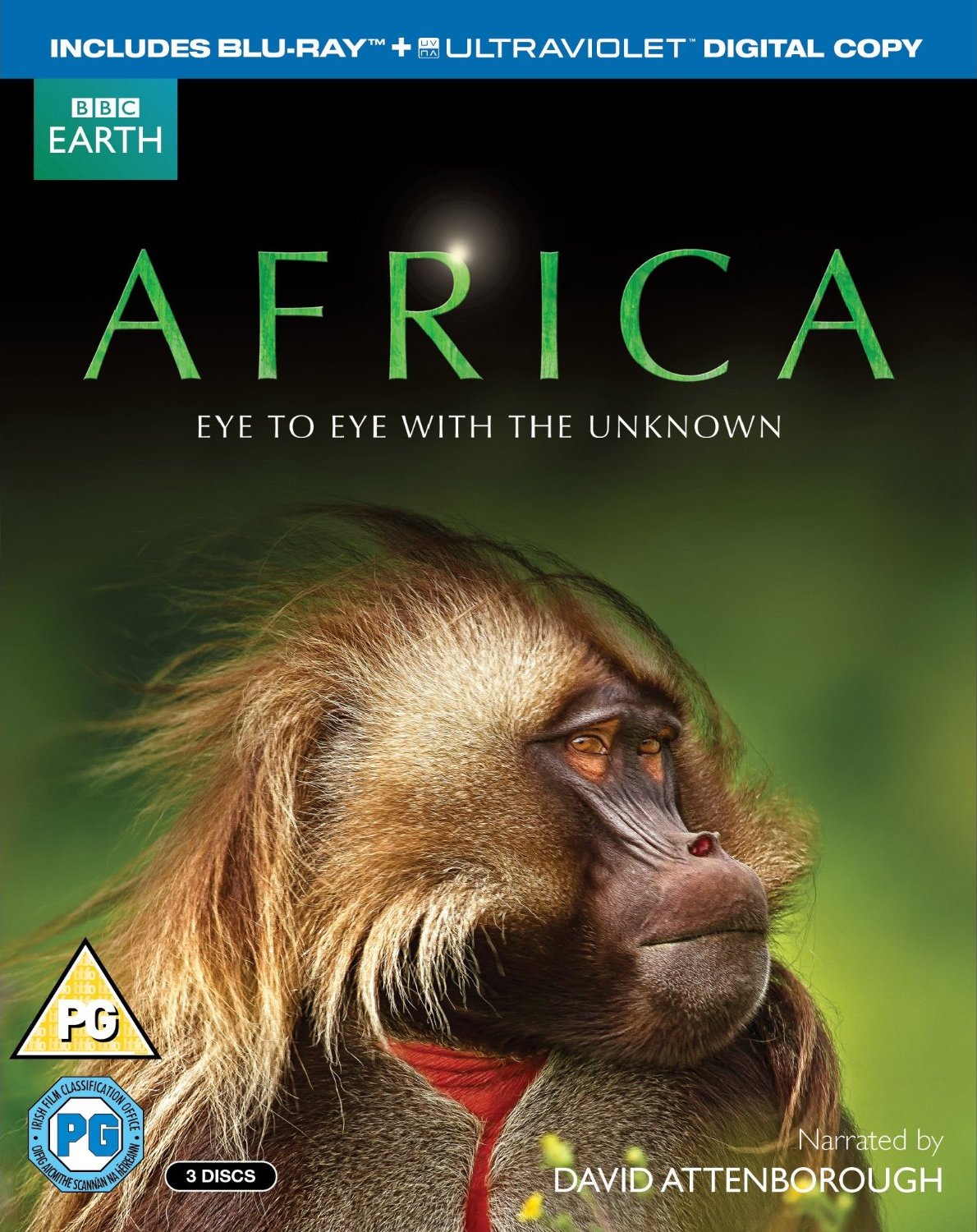
David Attenborough与一只幼年犀牛面对面,想知道它的未来前景如何。他会见了在这个历史上的重要时刻选择于这些野生动物站在一起的人们。我们发现了拯救一个物种、抵御一块沙漠、甚至是使一整片野生地区恢复生机需要多少精力——在这其中我们领会到了现代人出现之前世界的样子。
David Attenborough这样总结这部系列:
Speaking before the final episode of his nature programme Africa, Sir David Attenborough described how the programme had unearthed things he had no idea existed.
“The enormous lake underneath the Kalahari Desert – I had never even heard of it!” he said.
The lake, dubbed The Dragon’s Breath Cave, is the world’s largest non-subglacial underground lake and was discovered in 1986. The BBC One series was the first time the cave was filmed.
When producers proposed to create a series on Africa, Attenborough had doubts they would find anything new: “The wildlife of that continent is the most filmed in the world, by a very, very long way. I thought, there can’t be any good stories anymore. But I think they did very well.”
The veteran TV presenter had also been shocked by the fight between an old bull giraffe and a younger rival : “I had seen giraffes ‘necking’, but I had never seen an event like that, or even known that it went on to that degree.”
This moment was his favourite of the show: “That knockout shot of the giraffe by the old male appeals to old males universally,” he laughed.
The television presenter said that humans are threatening their own existence and that of other species by using up the world’s resources.
He said the only way to save the planet from famine and species extinction is to limit human population growth.
“We are a plague on the Earth. It’s coming home to roost over the next 50 years or so. It’s not just climate change; it’s sheer space, places to grow food for this enormous horde. Either we limit our population growth or the natural world will do it for us, and the natural world is doing it for us right now,” he told the Radio Times.
Sir David, who is a patron of the Population Matters, has spoken out before about the “frightening explosion in human numbers” and the need for investment in sex education and other voluntary means of limiting population in developing countries.
“We keep putting on programmes about famine in Ethiopia; that’s what’s happening. Too many people there. They can’t support themselves — and it’s not an inhuman thing to say. It’s the case. Until humanity manages to sort itself out and get a coordinated view about the planet it’s going to get worse and worse.”


 发表于 2026-3-14 01:06:58